This is an old revision of the document!
Warning: Trying to access array offset on null in /home/especiais/epsatisep/public_html/2017/EPS2017-wiki1/lib/plugins/caption/syntax/reference.php on line 68
Warning: Undefined array key "fswot" in /home/especiais/epsatisep/public_html/2017/EPS2017-wiki1/lib/plugins/caption/syntax/reference.php on line 68
Warning: Undefined array key "tsmart" in /home/especiais/epsatisep/public_html/2017/EPS2017-wiki1/lib/plugins/caption/syntax/reference.php on line 68
Warning: Undefined array key "fsmart" in /home/especiais/epsatisep/public_html/2017/EPS2017-wiki1/lib/plugins/caption/syntax/reference.php on line 68
Warning: Undefined array key "fcountrysnail" in /home/especiais/epsatisep/public_html/2017/EPS2017-wiki1/lib/plugins/caption/syntax/reference.php on line 68
Warning: Undefined array key "fsnailcake" in /home/especiais/epsatisep/public_html/2017/EPS2017-wiki1/lib/plugins/caption/syntax/reference.php on line 68
Warning: Undefined array key "fsnailei" in /home/especiais/epsatisep/public_html/2017/EPS2017-wiki1/lib/plugins/caption/syntax/reference.php on line 68
Warning: Undefined array key "ffrancecities" in /home/especiais/epsatisep/public_html/2017/EPS2017-wiki1/lib/plugins/caption/syntax/reference.php on line 68
Warning: Undefined array key "ffrancefert" in /home/especiais/epsatisep/public_html/2017/EPS2017-wiki1/lib/plugins/caption/syntax/reference.php on line 68
Warning: Undefined array key "ffrench30" in /home/especiais/epsatisep/public_html/2017/EPS2017-wiki1/lib/plugins/caption/syntax/reference.php on line 68
Warning: Undefined array key "fchrist" in /home/especiais/epsatisep/public_html/2017/EPS2017-wiki1/lib/plugins/caption/syntax/reference.php on line 68
Warning: Undefined array key "fperc" in /home/especiais/epsatisep/public_html/2017/EPS2017-wiki1/lib/plugins/caption/syntax/reference.php on line 68
Warning: Undefined array key "fmmix" in /home/especiais/epsatisep/public_html/2017/EPS2017-wiki1/lib/plugins/caption/syntax/reference.php on line 68
Warning: Undefined array key "fcaracollogo" in /home/especiais/epsatisep/public_html/2017/EPS2017-wiki1/lib/plugins/caption/syntax/reference.php on line 68
Warning: Undefined array key "fescargologo" in /home/especiais/epsatisep/public_html/2017/EPS2017-wiki1/lib/plugins/caption/syntax/reference.php on line 68
Warning: Undefined array key "fwebmain" in /home/especiais/epsatisep/public_html/2017/EPS2017-wiki1/lib/plugins/caption/syntax/reference.php on line 68
Warning: Undefined array key "tbudgetmark" in /home/especiais/epsatisep/public_html/2017/EPS2017-wiki1/lib/plugins/caption/syntax/reference.php on line 68
Table of Contents
4. Marketing Plan
4.1 Introduction
Marketing is the set of actions undertaken to encourage people to buy a product or service. In this chapter there will be explanation about the market situation analysis, potential customers, segmentation and target market, strategies, product, price and promotion. The analysis starts from a macro level, going closer and closer to the own business. All levels have an impact on the activities and decision making of the company. Taking into consideration this data, the team will provide a suitable marketing plan for the product, explaining the necessary actions to achieve the marketing objectives covering the first year of the product launch.
4.2 Market Analysis
4.2.1 Macro Environment
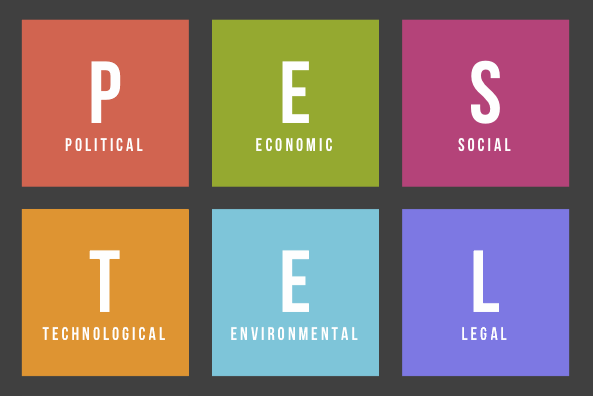
The first step of the market analysis is a Macro Environment Analysis where the team tries to define possible opportunities and threats within the industry. These factors are external and uncontrollable by the team, yet they affect the performance and decision-making. The macro environment can be divided using the Political, Environmental, Social, Technological, Legal and Economic (PESTLE) model (See Figure 1).
Political/Legal
The political factor defines to which extent politicians and the government have influence on the industry. In the case of the Escargot Nursery, the government supports the idea of home production of food. Also food education is a big topic, as big budgets are spent for healthy students. The Escargot Nursery can be used at home, but also for educational purposes in school.
Since this product uses living animals and these may be used for cooking at home, care needs to be taken about norms related to living creatures as well as nutrition and health laws.
Environmental
The carbon foot print of the food is reduced in different kinds of ways. First of all it eliminates the food transportation from the other side of the world to the dinner table. Moreover mollusks and insects are used instead of meat as protein source, because meat production spills enormous amounts of fresh water and energy. Special attention is needed when choosing materials for the product. Instead of using production techniques for assembly of a product with a linear life cycle (production to landfill), circular life cycle should be considered.
Social
The social environment analysis defines cultural, demo-graphical and behavioral trends, values and norms. Social media is becoming increasingly important in our culture. That’s why the project needs to implement social media in when it comes to marketing but also improve the real life contact between the users. It has to connect the different members of the family in order to improve social cohesion. Other social trends like going back to the basics, growing your own food and food education work in favour of the home Escargot Nursery.
Technological
Technological trends focus on the change in use of technology. Automation of some processes like temperature and humidity control make maintenance much easier. Internet Of Things (IOT) is already used in a lot of products and it’s use is only expanding. Therefore it would be a possibility to implement it in the Escargot Nursery as it also improves social connection. Technology is needed to improve and optimize the life cycle of the snails (heating/humidity/light).
Economic
Economic factors describe elements of the economy that have an effect on the industry and the company itself. These factors can be the price of energy, inflation, income etc. Escargot are expensive as food and with the Escargot Nursery customers can produce the snails themselves for home use or for (small) commercial interests.
4.2.2 Micro Environment
The micro-environment are factors outside and not controlled by the team, yet they are in the immediate area of the team, affect directly the decision-making and performance. These elements are: customers, suppliers, intermediaries, public, competitors.
Customers
The consumers are the intended target group for which the Escargot Nursery is designed. The needs of the customers have to identified, implied, satisfied an anticipated. It’s important not only to sell the product, but also realize a long lasting customer relationship.
There are two different customers:
- The home user: the home user wants a product to grow snails for the purpose of eating them. Snails are a delicacy and are therefore not cheap.
- The educational user: the educational user focuses more on the development of the snails than on using them for food.
Suppliers
Suppliers provide the necessary resources that enables the company to make its products or services. The Escargot Nursery contains a lot of electrical parts like sensors, user interface, controller, heating and cooling device. There’s also material needed to build the casing and the interior of the terrarium. All of these components should be bought in Portugal. To get the best parts and materials at the lowest prices, extensive research is needed.
Intermediaries
Intermediaries stand in between the customers and the company. They middlemen who promote, distribute and sell the product to the users. The Escargot Nursery will be sold Business to Business (B2B), as well as Business to Consumer (B2C). Because the nursery is a relatively new product, potential customers won’t know of its existence. The B2B market gives the company a wide reach and product visibility. In addition to the B2B market, the company can sell directly from the website. These days, internet selling is a standard practice and done by almost all companies.
Public
The public is a broader and more general term than targeted customer, but they also have actual or potential interests in the product. While designing, making and selling the Escargot Nursery the team have to take into account some groups beside the intended consumer. One of these groups are the animal protection groups like People for the Ethical Treatment of Animals (PETA). The product has to be of decent quality so consumer protection groups won’t protest. Another group to take in account is the media. They have great power to make or to break the sales of a product.
Competitors
Competitors also influence the actions made by the company, because they offer similar products or services. There is a difference between direct and indirect competitors.
The one and only direct competitor is the GROW YOUR OWN ESCARGOTS by S’cargo (See 2.3.1 Products for Home Use). S’cargo is a company owned by Helen and Rachel Howard who are artisan food producers. The product has a bell shaped propagator and saucer. The bedding is sterile so there’s a hygienic environment for the snails to live in. Additionally there is a detailed care instruction to help keeping the snails healthy and growing. Before the consumer can start, he has to send a card to receive the escargots and dry food at home. The price 35 £ Sterling and the dimensions are approximately 29 x 28 x 29 cm.
The advantages of this product is the low price and small dimensions. There is no technology included in the product which makes it easy to use and not energy consumable.
Disadvantages are the high amount of attention needed to grow the snails. The dimensions are small, so only a small amount of snails can be kept inside. Temperature and humidity is not controlled so the snails can die without the right care. Carbon monoxide poisoning is also a problem as the whole structure is sealed
Indirect competitors make product that are similar to the snail farm, but are meant for other purposes. Some snail enthusiast keep their pets in aquariums or terrariums. For these product there is a much bigger market. They exist in every price class and with different amount of technology. Professional snail farms make their own snail huts. Usually they are made from wood and/or nets and the focus is on food production, not usability, aesthetics or education. But these professional snail farms need a lot of care and attention.
4.3 SWOT Analysis
This Strength, Weaknesses, Opportunities, and Threats (SWOT) analysis was used to warn the team about the dangers that developing this product may have had, and also to help the team make the most of their possibilities. These four factors must be divided into external (opportunities and threats) and internal (strengths and weaknesses). Internal factors are those the team can control, while the ones that are out of the team's control reach belong to external factors, most likely consumers and competitors (See Figure 2).
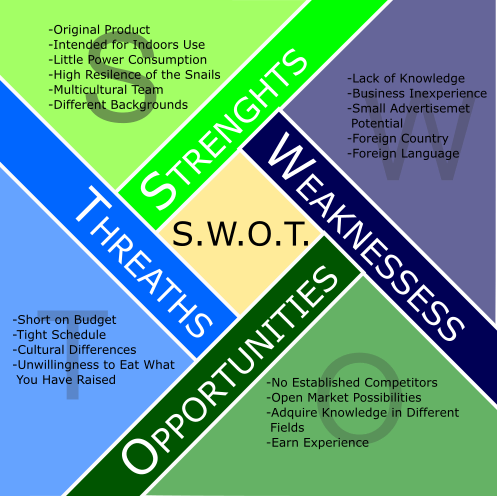
The project had some weaknesses. First of all, before the start of the project, none of the team members knew anything about snails and their breeding which was an obstacle to overcome. In addition, none of the “EscarGO” components really have had any serious business experience and since the product did not have direct competitors, they could not study their marketing strategies. The team had a small advertising potential because, at the time, snails were not known to the general public as pets. Many people found snails disgusting and the idea of raising snails was really odd for them. The team members did not come from the same countries and did not speak the same first language, which could represent a weakness to communicate with one another and make their points of view clear. Everyone communicated in English, which the team spoke to differing levels.
This product also had many strengths. It was an original product because it did not exist on the market. So, the idea was very innovative and would prove to be a curiosity for potential customers.
As one of their main objectives was to make the product as sustainable as possible, the product did not require a lot of power since it was intended for indoor use, reducing the need to change the atmospheric conditions of the inside of the “EscarGO”
The team needed to take advantage of the opportunity to be a leader in the market. “Caracol” had no competitors, and that could be an opportunity to develop the product and start a new and wide market. This was a project where team members came from different degree programs in their home Universities, they could acquire knowledge from the others and improve their own skillset. Moreover, it was an opportunity to learn how to lead a team, and simulate a project in a professional environment.
Despite the opportunities, the project also had threats. First, the team had a budget of 100.00 € “Caracol” had to make choices in order to remain under the budget. Additionally, the team had a tight schedule which the team found to be difficult to manage the time. To conclude, other potential threats were that a lot of people don’t want to eat the snails they have bred. For instance, most people who raise rabbits, or any edible animals, find the idea of eating them inconceivable as they are now pets.
4.4 Strategic Objectives
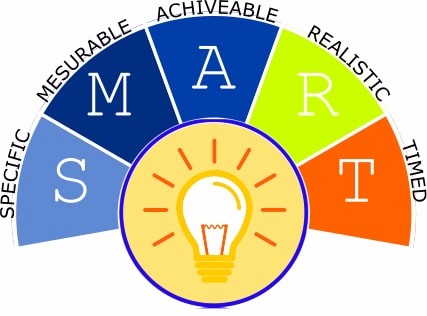
In Table 1, in order to achieve the long-term success of the “EscarGO” product, the team stated the Specific, Measurable, Achievable, Realistic, Timed (SMART) objectives that were used as a reference to measure the past, present and future of the company in a realistic approach (See Figure 3 ).
| Objective | Description | Time |
|---|---|---|
| Final Product | Build the final fully-functional “EscarGO”. | August 2017 |
| Launch Developement | Obtain funding. Reduce production costs. Start the publicity campaing. | September-November 2017 |
| Product Launch | Sell the product through the company’s website in the christmas campaign. Sell at least 20 units. | Christmas 2017 |
| First Year | Find a distributor/supplier. Increase the production and sell more than 150 units during the year. | 2018 |
| Expansion | Promote and sell the product in other european countries, like Spain. | 2019 |
4.5 Segmentation
The team divided the market into smaller segments to be reached more efficiently and effectively. This study helped the team to be aware of the segment of the market likely to be interested in “EscarGO”
4.5.1 Geographic Segmentation
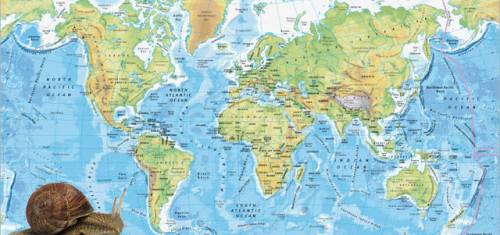
Here the team decided which countries would be their Target Markets. The team did research on which countries consume the most snails (See Figure 4).
Snail meat, despite being healthy and nutritious, are relatively high in proteins and in addition there is high participation polyunsaturated, particularly omega-3. It is also a source of minerals (mostly Ca, P, K, Mg, and Na)) [3], due to cultural issues it was not consumed globally.
It was estimated that over 400 000 tons of snails were commercialized every year around the world [4] (a higher number of them was consumed due to the large percentage that represents the hand-picked snails for personal consumption) [5].
Only 15 % (67 500 tons) of the global consumption came from snail breeding units while the largest amounts of snails traded in the market came from nature (85 %) [6]) [7].
The largest consumer markets were located in Europe. Three countries had the highest escargot demand. These were France, Italy, Spain. The difference between France and the other two was notable though (See Figure 5).
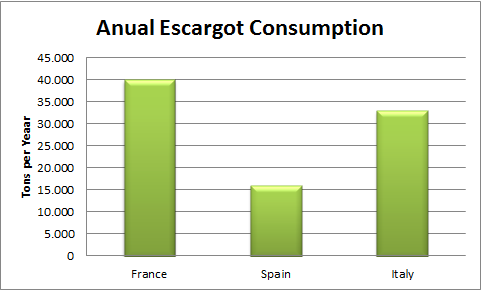
In France they consumed 40 000 tons of snails a year [8][9][10]. Italy ranked second in the list of EU snail meat consumer after France. Italians consumed 37 000 tons of snails meat during 2010 (The annual consumption per person was about 180 grams) [11]. Their usual consumption was around 33 000 tons a year [12]. In Spain, in third place, they consumed 400 grams per person per year, which meant 16 000 tons of snails a year [13].
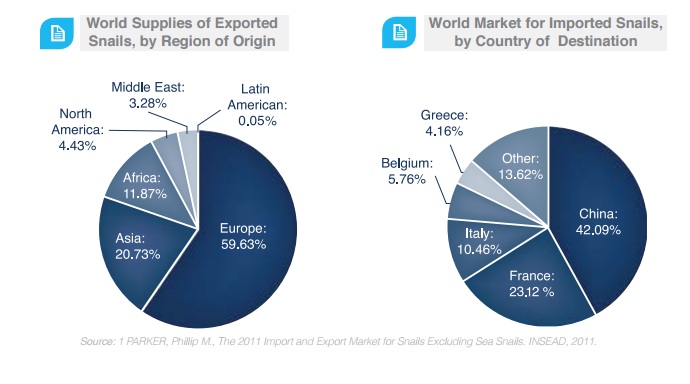
What held true for the three of them is that all these three countries were heavily in deficit (See Figure 6). Specifically, in France more than 80 % of domestic consumption was covered by imports. In Italy about the 65 % whereas in Spain the 55 % [14].
In France, in 2010 there was a deficit of 90 000 tons of snails due to their high consumption. Based on this information, it is expected that the need for snails will not be covered even in the next 10 years [15].
The highest consumption of snails per person has been recorded in Greece; about 40 000 tons in 2015, with a consumption of more than 500 grams [17]. There, according to the Presidential Act 67/81 (FEK 43/A/ 1981) collecting snails from nature is permitted only from March until June [18].
Based on this statistics ,the team decided to focus the market mainly in France for their first active year. Later on, the team would consider expanding their business to other countries like Italy, Greece, Spain or Portugal.
All of these countries had a mild climate without extreme conditions allowing the grow of snails, since the Cornu aspersum is natural from this climate (See 2.4 Escargot Research). For this reason, the climate control of the product would not require a non sustainable amount of power to achieve the optimal living conditions.
4.5.2 Demographic Segmentation
The product’s size was meant for home use, so the marketing strategy tried to approach families living in the big cities of France, for instance Paris, Marseille, Lyon, Toulouse or Niece (See Figure 7).
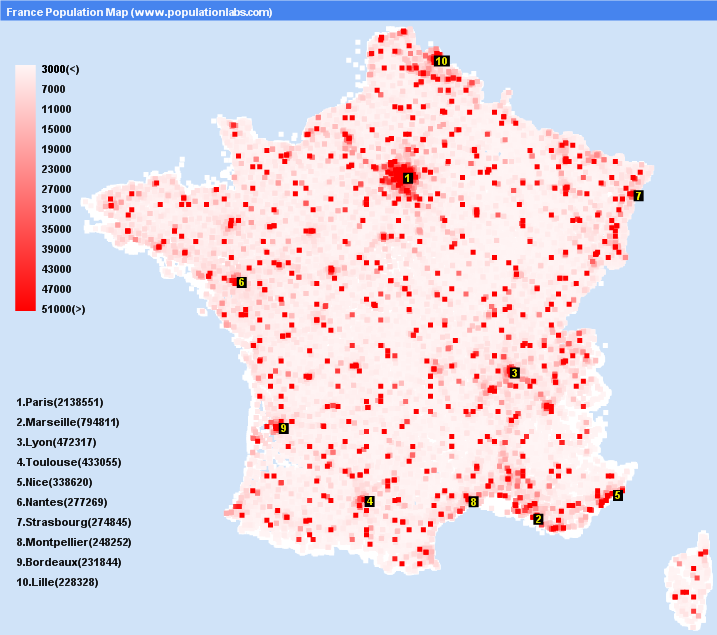
Additionally The Caracol team decided to focus on the population segment with the following characteristics :
- Age:30 - 35 years old
- Family size: in a couple / married - preferably with children. For educational target purposes
- Income: medium to high
- Type of accommodation & situation: flat in a busy French city center, far away from nature
- Professional situation: working
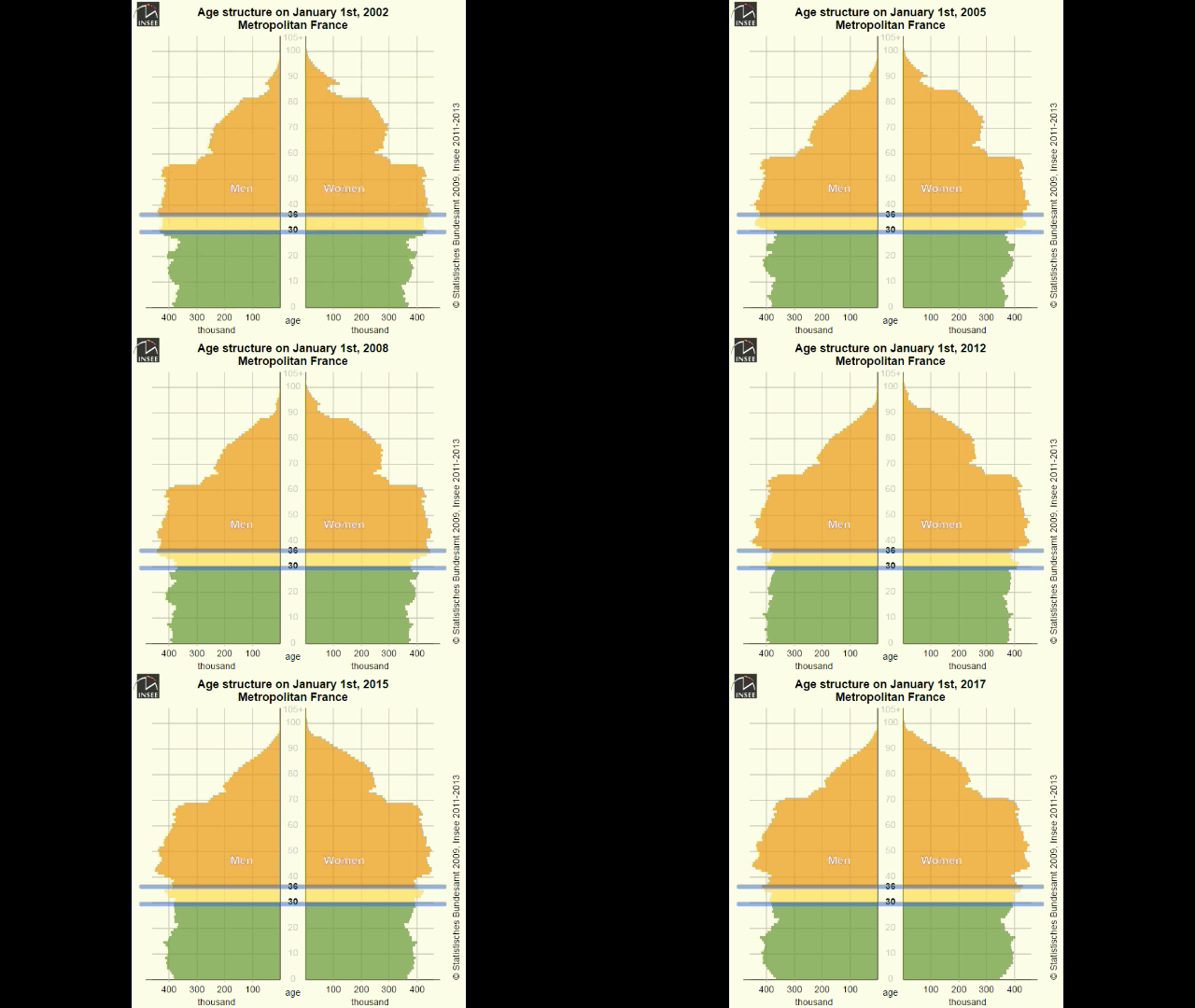
The team chose to aim for an age range of between 30 and 35, based on statistics that show it was the age when people in France seemed to be starting a family [20] (See Figure 8).
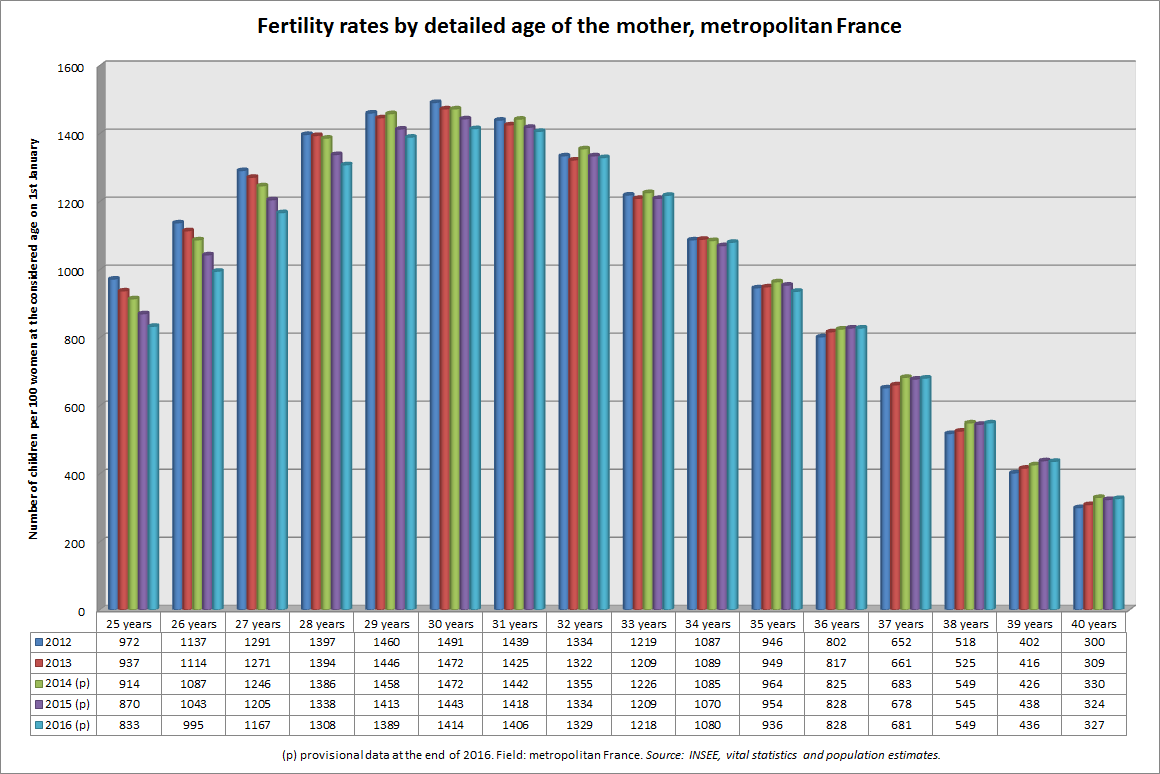
At the time of writing, France had a total population of 66 990 826 people. The age sector of 30 to 35 years old population comprised a total of people 4 947 116 (7.38 %) [21]. This demographic sector of the french population seemed not to be growing or decreasing at the time of the study (See Figure 9).
4.5.3 Psychographic Segmentation
The team, based on the statistics introduced in Geographic Segmentation and Demographic Segmentation, decided to focus on medium working class families who live in a busy environment filled with distractions and technology. Parents craving to spend more time with their children, feeling scared about their education, since they are easily exposed to many different kinds of media coming from tv and internet. The product the team was to make, provided a solution that allowed the user to not have that much interaction with the snails as other pets do (fish etc), by the use of automatic humidity and temperature control systems and also because of the high resilience of snails as animals. For these reasons, the group thought this product would be attractive to families living in a busy environment, that may not have that much free time to spend on a pet. If the children asked to have a pet, the “EscarGO” would require less work and time than a dog. The user rate would be much lower, only requiring one cleaning every three months. The rest of the time only some care should be taken to feed the animals. The children can enjoy their pets at all times while their parents only help them to raise them during the cleaning period.
4.5.4 Behavioral Segmentation
This product aimed to attract modern families who lived in a busy environment filled with distractions and technology. Parents that craved to spend more time with their children, and felt scared about their education, since they were easily exposed to many different kinds of media coming from TV and the internet.
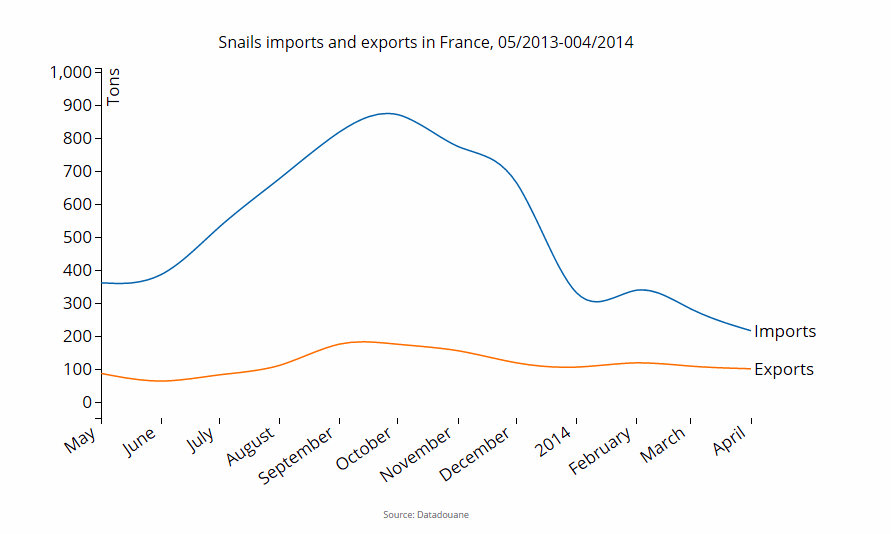
The team also noticed that escargot were a common Christmas dish in France. Two thirds of the French escargot production a year were consumed during the Christmas period [23]. The imports seemed to peak just before the end of the year as a result of this traditional festive dish [24] (See Figure 10).
Customers would only buy this product once. For that reason, loyalty was not as important as user satisfaction and customer reviews were. The aim was to get parents recommending this product to their friends with children, while the children would talk with their friends from school about the fun product they owned.
4.5.5 Levels of Market Segmentation
There are four different levels of marketing segmentation:
- Mass Marketing: same product to all consumers
- Segment Marketing: different products to one or more consumers
- Niche Marketing: different products to one or more segments
- Micromarketing: products suit the tastes of individuals and locations
The team settled on mass marketing level. In the future, when the team tries to expand the “EscarGO” product to different countries, they would apply a Niche Marketing strategy, adapting the product to the breed of snails more common in the country they try to reach (if different).
4.6 Strategy/Positioning
A clear position in the market provides the company a competitive advantage over the rest. The positioning strategy gives the answer on what, why and who the company is different over competitors. It provided an image for the customer and is based on the segmentation part. Besides meeting the needs from the customers, it was also important to find a gap in the existing market.
Positioning the company happens in different stages:
- Identifying Possible Competitive Advantages.
- Choosing the Right Competitive Advantage.
- Communicating and Delivering the Chosen Position.
The existing market consists of one direct competitor and a lot of indirect ones (See 2.3 Existing Products). If the Escargot Nursery wanted to be different than its competitors the following requirements had to be achieved. The Escargot Nursery focused on ease of use, made possible by sensors and electronics. It was the only technological product specific for raising escargots. “EscarGO” can be used to keep snails as pets, as well as food production.The real distinction of the product is the social part of it. The Escargot Nursery brings the family together and teaches kids about nature and food production.
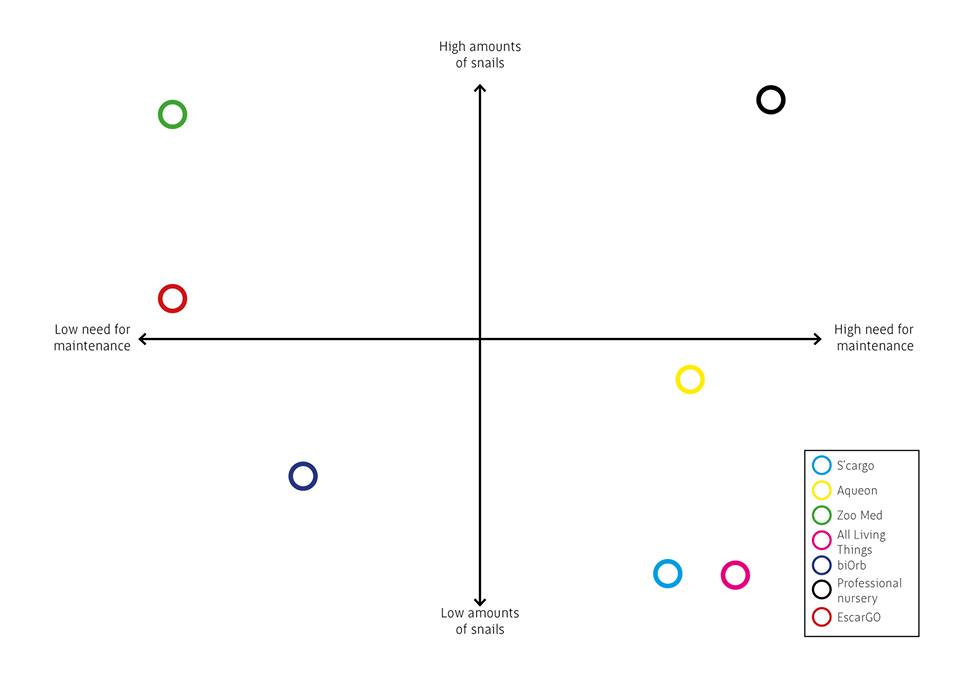
The perceptual map (See Figure 11) shows the connection between need for maintenance and the and the amount of snails the nursery can contain. These two value are important to find a gap in the existing market. All direct and indirect competitors are or in the fourth quadrant, which is the one with high maintenance and low amount of snails. The quadrant with low amount of snails and low amount of maintenance, for example the small led lighted aquarium, is to be avoided because of size mather. The professional nursery with high amount of snails and high need of maintenance is not useful for the chosen target group. The only existing competitor in the upper left quadrant are good equipt terrariums for reptiles. The size had not to be very big, but enough for feeding a normal size family for two meals a year.
4.7 Adapted Marketing-Mix
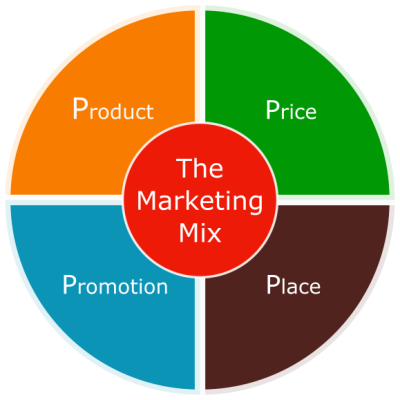
The team used the marketing-mix to adjust their position in the market by taking into consideration the product price, promotion and place (See Figure 12)
4.7.1 Product
The team decided to use the commercial name of “Caracol” for the brand (See Figure 13). The name of the product would be “EscarGO” (See Figure 14). The logos for this commercial names were designed to be appealing to families and kids.


Thanks to the lack of competitors at the time, the team decided to sell the product using internet selling and distribution through their website: (https://caracoleps.wixsite.com/escargo) (See Figure 15) The “Caracol” portal is optimized for both desktop and smartphone view. It would include a customer reviews section once the product was launched. Since loyalty is not important for a product people would only buy once, the team wanted to have their clients recommending their product to others.

To achieve the same goal, the group decided to include a two-year warranty with the product.
4.7.2 Price
To decide the product’s final price, the team had only one direct competitor to compare it with. “GROW YOUR OWN ESCARGOTS” by S’cargo cost 46 € (See 2.3 Existing Products). It was only sold online and it did not have any built-in technologies. The “EscarGO” could be sold at a higher price since it was a much higher quality product, but not that much higher that would lead customers to decide to go with the competitor. Considering the production costs as well as the profit, the team aimed to sell the product at 60 €.
The payment methods their internet would accept would be paypal, credit card, and Cash On Delivery (COD), in order to make the sale as easy as possible for the customers. The team did not plan to add any discounts when buying more units, since this product would not sell large quantities of units to a single buyer. The delivery taxes when sending this product to the metropolitan France would be included in the final price.
4.7.3 Promotion
The team was aware of the importance of promotion and advertisement of “EscarGO”. There were a large number of different options available to promote the product, and the right or wrong choices the team made would determine the success or failure of the product’s launch.
For the team’s site to reach the kind of people who may had been interested in the “EscarGO”, the “Caracol” group applied a digital marketing strategy.
It included a careful Search Engine Optimisation (SEO), which consisted on choosing the title of the site, an appropriate description and keywords like “escargot” “pet” or “home” so that the website was accessed through the search providers more effectively.
Another feature of the “EscarGO” site was a Frequently Asked Questions (FAQ) section, along with an explanation video. In the future, the team would also add a chat option for help. All of these actions were taken to make a more personal approach to selling the product.
The last feature of the team’s digital marketing strategy was internet advertisement. It allowed the team to have a full control of the message when promoting the “EscarGO”. The team decided that pay-per-click Google Ads suited best the advertisement of the product. The website was also optimized for smartphone view, to allow the visitors to enter the site throughout smartphone advertising.
The team would also consider applying a public relationship strategy that would include giving away the product to schools in France for free. The main objective would be the children testing the product at class, while the teachers would test the product as a teaching tool as well.
4.7.4 Place
In this section the focus was on the marketing and distribution channels for the “EscarGO”. Here the team took the decision to sell directly to the consumer through online selling as a main distribution channel. They also considered other marketing channels like specialized pet stores, or supermarkets. These would only be located in crowded cities in France, since there was no need for this kind of product in the countryside. The group considered it was too early for the product to be sell using those channels. The product should be more known before that channels could be used.
4.8 Budget
A budget of 200€ was set aside by the company as marketing budget. This amount of money was used to increase the brand awareness among the french consumers. That way, the team expected to increase their sales. It included the elements used to get the product ready to be launched to the market and customer communication related actions (See Table 2).
| Action | Budget (€) |
|---|---|
| Leaflet | 20 |
| Flyer | 20 |
| Website | 50 |
| Google Ads | 50 |
| Social Media | 50 |
4.9 Strategy Control
Strategy control is about the current state and the state in the immediate future of the company. Rather than thinking about past decisions, strategy control controls the execution of the strategic plans. This control enables the company to improve and optimize the ongoing processes, but also feedback the ongoing plan to the original plan. The assumptions made by the company in the beginning of the development process about trends, customers and the environment are refuted or confirmed. In order to do this, after the launch of “EscarGO” consumers have to be questioned. This will give the company the right data for the strategic control.
4.10 Conclusion
In this chapter the theory given about marketing was applied to the project. The Pestle tool was used for a macro environment investigation. Most important were the social and environmental factor, because these were key problems that had to be resolved. The close business environment about suppliers, intermediaries, customers, concurrents and the public was defined in the micro environment. The chosen focus is the B2C market with focus on home users and educational users. Overall there is one direct competitor and several indirect competitors that offer substitute product (aquariums and terrariums). Within the SWOT analysis possibilities and dangers were listed. The biggest weakness is the lack of knowledge and experience about the subject. Snails are not a popular dish nor animal, so the rationale of the project is uncertain. The biggest opportunity was the lack of competitors and the huge market potential. The budget is considered as primary thread. The SMART tool was used to define the objectives, with the final product as main objective. Segmentation divided the market into smaller segments, choosing a target market. Substantiated with statistics, France was chosen as selling market. Within France, people around 35 years, preferably parents, were targeted as main consumer group. These modern working class families are in need of social connection with their children. Mass marketing was chosen as initial plan to penetrate the market and gain customers. For positioning the amount of snails and need for maintenance were put in a perceptual map. The optimal position was medium amount of snails with low need for maintenance, as there were no competitors on that area. First part of the marketing mix was about the product, which we called EscarGO from the company Caracol. The nursery will be available for 60 € and a digital marketing was used to try contact potential customers. Questioning was used as strategy control, so future actions can be improved.


